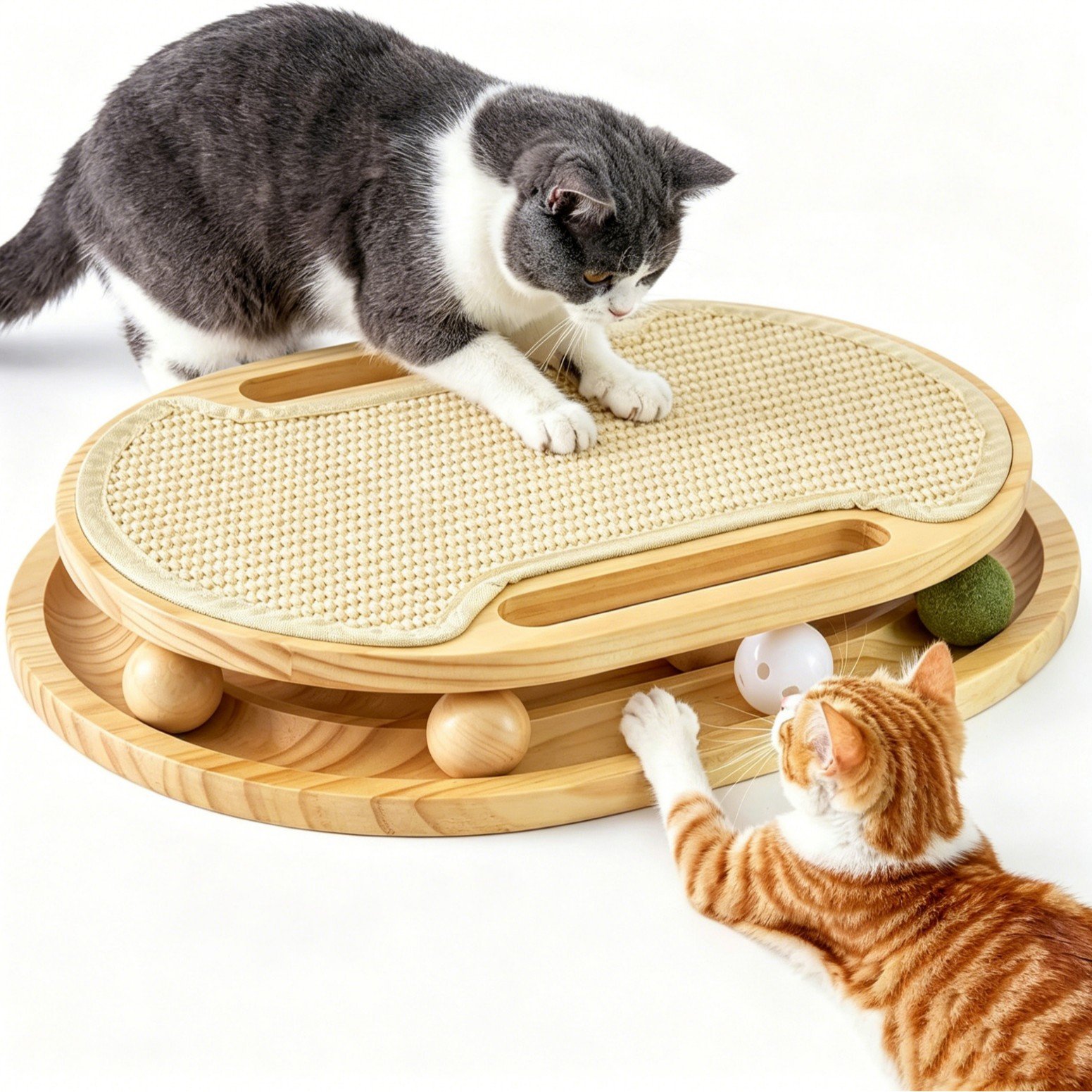
Start with your cat’s size and scratching habits
The right sisal cat scratching board should give a cat enough room to stretch, pull and reposition its body without sliding off the usable surface. Before comparing styles, observe whether the cat normally scratches horizontally, vertically or on an incline.
Also consider body length, weight, age and the number of cats sharing the product. A compact scratcher may suit a kitten or a small adult cat, while a larger cat needs more usable surface and a stronger base.
1. Check the size
2. Choose a structure that matches behavior
Integrated cat bed
A scratching bed combines claw maintenance with resting. It is ideal for cats that enjoy curling up, leaning against raised edges or returning to familiar scent-marked spaces. A widened base improves stability and makes the product more comfortable for lounging.
Vertical scratching post or panel
A vertical scratcher works well beside a wall, sofa or other place the cat already targets. It can redirect scratching away from furniture while using less floor space. The post should be tall enough for a full-body stretch and securely fixed against tipping.
Slanted or curved design
An inclined or curved surface follows the cat’s posture more naturally than a completely flat board. It may support both scratching and stretching while offering several comfortable body positions.
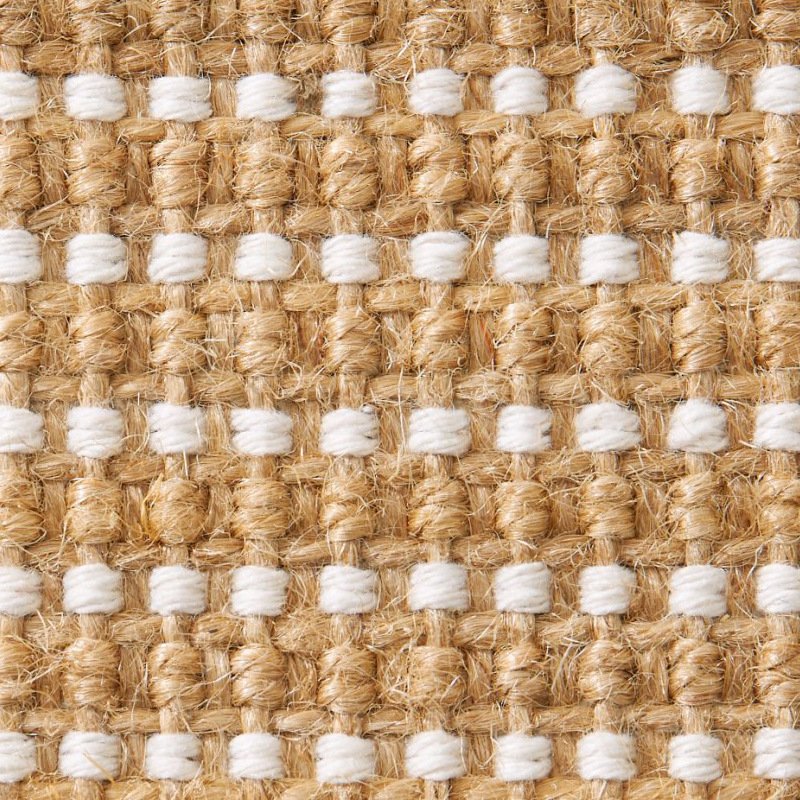
Dense, even sisal weaving helps create consistent resistance and supports long-term durability.
3. Inspect the craftsmanship
Look for dense, even sisal construction
Compare the tightness and consistency of the weave. A dense surface with securely finished borders is less likely to loosen prematurely. Products made from firmly pressed sisal material or carefully finished woven panels can offer more uniform resistance.
Check the edges and attachment points
Rounded, hand-finished or securely bound edges are less likely to fray or separate. Inspect corners, staples, screws and glued joints for exposed or sharp parts. The scratching surface should stay flat against the frame without large bubbles or loose areas.
Pay attention to odor and adhesive information
A strong chemical odor may indicate unsuitable finishing materials or insufficient airing. Prefer low-odor products and ask the supplier to confirm the adhesive and finishing specifications. When a manufacturer claims to use natural corn-based adhesive or other pet-friendly materials, request supporting product information rather than relying on appearance alone.
4. Check the non-slip design
A scratcher that shifts during vigorous use may frighten the cat and discourage repeat use. Look for non-slip pads, rubber feet, a weighted frame or a widened base. For wall-mounted designs, verify that the fixing system is appropriate for the wall surface and the cat’s weight.
Test the product by applying pressure from several angles. It should remain steady when the cat leans forward, pulls backward or jumps onto the surface.
A practical buying checklist
- Match the orientation to the cat’s existing scratching habits.
- Choose a usable surface large enough for a comfortable full-body stretch.
- Confirm the base stays stable during forceful scratching.
- Inspect the sisal weave, edge finishing and attachment points.
- Avoid products with persistent pungent odors or exposed sharp components.
- Consider cleaning, repair and replacement options before buying.
For more detail about the material itself, see What Is a Sisal Cat Scratching Board?. You can also review our general cat scratching board buying guide.
Conclusion
The best sisal cat scratching board is large enough for the cat, shaped for its preferred scratching posture, carefully finished and stable under pressure. Size and structure determine comfort, while dense weaving, secure edges and low-odor materials influence durability and safety. A well-chosen design can support natural scratching while helping protect furniture.
Frequently asked questions
What size sisal scratching board should I choose?
Many small cats can use a 40–50 cm board, while large cats generally benefit from a longer surface or a vertical post over 60 cm. Always compare the usable scratching area with the cat’s full stretch.
Is a horizontal or vertical sisal scratcher better?
Choose according to the cat’s habits. Cats that target sofa sides or door frames often prefer vertical surfaces, while cats that scratch rugs may prefer horizontal or inclined boards.
How can I tell if a sisal scratcher is well made?
Look for a dense and even weave, securely finished edges, stable joints, smooth hardware and no persistent pungent odor.
Why are non-slip pads important?
They prevent the scratcher from sliding or rotating during use, helping the cat feel secure and reducing the chance that it abandons the product.
Need a well-built sisal scratching product?
Explore sizing, structure and customization options designed for stable and durable everyday use.